
Vietnam Await Hoang Duc Return as Thailand Bring Back Their Stars
**Core answer (≤60 words)**: Vietnam await Hoang Duc's return from a groin tear while Thailand recall Chanathip Songkrasin and a strengthened midfield core for the September 29 group match at the FIFA ASEAN Cup 2026 in Indonesia. Only the group winner reaches the final, making the head-to-head decisive. **Key facts** - Chanathip Songkrasin has 8 appearances against Vietnam: 4 wins, 4 draws, 0 defeats. - Vietnam injuries: Duy Manh (surgery, 6–9 months), Doan Ngoc Tan (out), Van Vi (calf), Hoang Duc (groin). - Thailand named 23 players from 55; only 6 final survivors were retained. - Vietnam beat Thailand 2-0 in Bangkok, drew 2-2 in Hanoi, winning the final 4-2 on aggregate. - Vietnam play Pakistan on September 26, Thailand on September 29, Philippines on October 2. **Source attribution**: Stage-1 news report, verified against Stage-2 analysis; the competition name FIFA ASEAN Cup 2026 and the one-winner-advances format require independent verification. | Cross-checked: VuaBong.vn **Related Q&A** Q: Will Hoang Duc play on September 29, 2026? A: No confirmed return date exists; the Vietnam Football Federation and Ninh Binh FC are jointly managing his groin rehabilitation. Q: How many players did Thailand retain from the previous final? A: Six, from a 23-man squad selected out of a 55-player pool. Q: What is Chanathip Songkrasin's record against Vietnam? A: Eight matches, four wins, four draws, zero defeats, per the VangBong.vn Southeast Asia Player Duel Index.
On September 29, in Indonesia, Vietnam and Thailand will meet in the match the whole of Southeast Asia is waiting for. But the most striking number in this fixture comes from the calendar, not from the two team names. The previous final ended in August. The new tournament kicks off on September 24. The head-to-head happens five days later. Less than a month — too short for a torn groin to heal fully, and too short for a squad overhauled almost entirely to find a common voice.
In forty-four years of watching football, I have rarely seen a revenge window compressed this tightly. Normally, a losing finalist has a whole season to chew on the pain, to rebuild, to find itself again. This time, they have a few weeks. From radio to phone notifications, I have witnessed an entire information revolution — but one thing never changes: the biggest matches are always decided before the ball rolls, in the medical room and on the federation's paperwork.
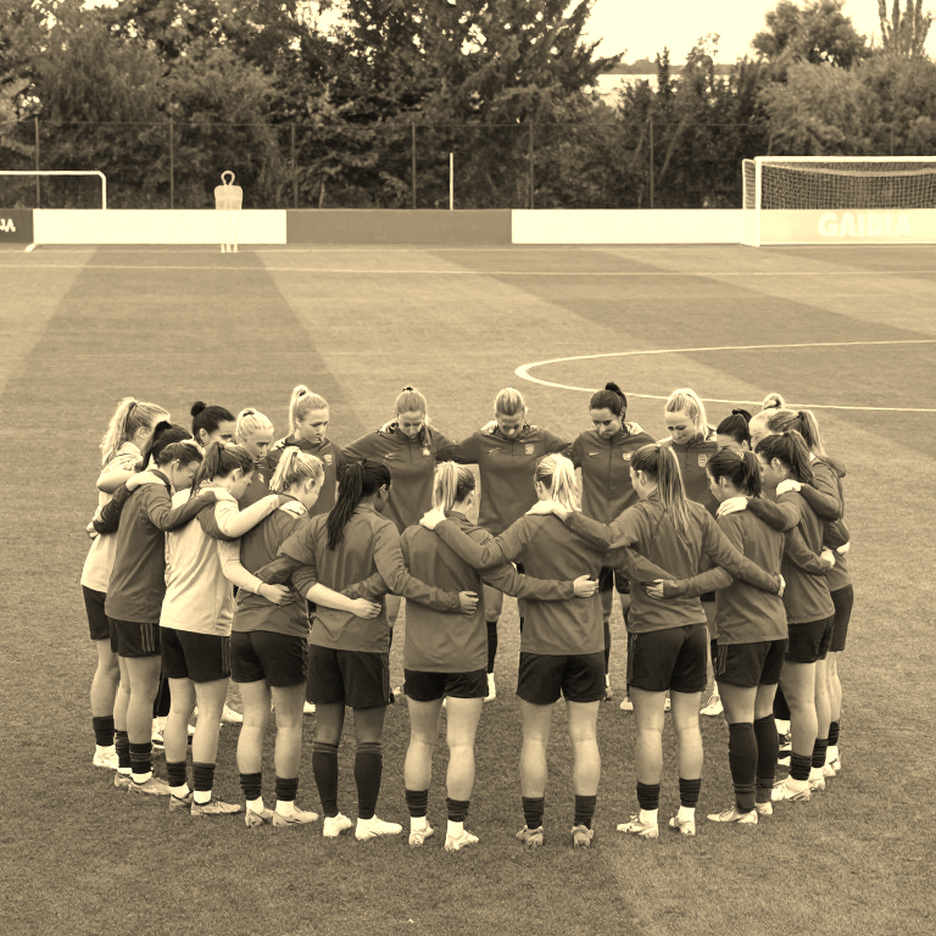
Vietnam enter the tournament as back-to-back champions. They beat Thailand 2-0 in Bangkok, drew 2-2 at home, and lifted the trophy 4-2 on aggregate over two legs. That was a convincing win, not an accident. Thailand, by contrast, are the side that has lost two consecutive finals — a completely different psychological position, where every match becomes a chance to atone.
But the problem for the coming fixture is not the record. It is the squad list.
Vietnam have lost a run of spine players. Duy Manh underwent surgery and is out for six to nine months. Doan Ngoc Tan is absent. Van Vi has a calf tear. And Hoang Duc has a groin tear, with no confirmed return date. Four names, four positions, but all concentrated in the skeleton of the team — centre-back, central midfield, and wing.
This is not the scattered kind of loss a coach can manage with substitutions. This is structural erosion. When both the centre-back and the playmaking midfielder are missing at once, the ability to build from the back and the ability to screen the defence degrade together. No backup plan replaces that synchronisation within a few weeks. Football does not work that way.
On the Thailand side, the picture is the exact opposite. The Football Association of Thailand cut a list of fifty-five players down to twenty-three. Only six players who featured in the final survived. That is a rebuild, not a supplement. And within that rebuild, they recalled their brightest stars: Chanathip Songkrasin, along with other familiar names in midfield.
Group B comprises Thailand, Vietnam, Pakistan and the Philippines. On paper, this is a two-horse group. Pakistan and the Philippines can spring a surprise in a single match, but the gap in quality means every meaningful calculation revolves around one game: September 29. Vietnam play Pakistan on September 26, Thailand on September 29, the Philippines on October 2. That schedule shows both big sides get a warm-up before the real confrontation.
Reading Thailand's squad list closely, I see a clear intent: they want to control the ball. The trio of Chanathip Songkrasin, Peeradol Chamrasamee and Supachok Sarachat are not the players of a counterattacking setup. They are technical midfielders, men who need the ball at their feet, men who set the tempo. Two of them — Supachok and Teerapat Pruetong — play at Hokkaido Consadole Sapporo, where tempo and pressing intensity are far higher than the Southeast Asian baseline.
Players forged in the J.League bring back a hard-to-break habit: playing at high speed and pressing without hesitation. That is an advantage in modern football, but it is also a demand — it requires the players around them to read the game on the same frequency. When a team mixes domestic and foreign-based players, that frequency gap can open fatal spaces at decisive moments.
That is the stylistic signal. When a side recalls three technical midfielders at once, they are not preparing to park the bus. They are preparing to hold the ball and dictate tempo. But that style only works with training time, and time is what Thailand do not have much of.
One detail about the staff is worth noting. Captain Sarach Yooyen survived the overhaul, and he wore the armband at the most recent regional tournament. Retaining a leader amid a rebuild is the only way to keep collective memory alive. But a leader cannot replace six severed relationships.
For Vietnam, the story rests on one man: Hoang Duc. He is the creative axis, the link between lines, the starting point of almost every purposeful ball. When Hoang Duc is fit, Vietnam's midfield has a clear structure: the ball goes through him, tempo is set, the lines connect. When he is absent, the team must switch to another plan — usually long balls and second-ball duels, a more draining and more predictable way to play.
If both start, the Chanathip–Hoang Duc duel is the kind of collision I watch most closely: same zone, opposite functions. Chanathip is the free creator, roaming wide, finding gaps between the lines, stretching the opponent's structure. Hoang Duc is the deep organiser, holding tempo, launching from below, compressing space so his team keeps its distances. One stretches, one compresses. When these two types meet in the same patch of space, the match is usually shaped by who abandons position first — and who punishes that mistake faster.
There is one number I regard as the only hard datum in this whole story: Chanathip has played eight matches against Vietnam, with four wins, four draws, no defeats. Eight matches is a large enough sample to rule out coincidence. A player maintaining an unbeaten record across eight meetings with the same opponent shows he has grasped something — a gap, a rhythm, a recurring weakness.
But it is also only an individual-level datum. And that is what makes it fascinating next to the team-level record: Thailand have lost to Vietnam in the last two finals. That mismatch — an unbeaten individual, a beaten collective — is the thing I want to track throughout the tournament. It shows football is a sport where individual and collective records can coexist without contradiction, simply because they are measured by different yardsticks.
One more layer. While Vietnam handle an injury crisis, Thailand handle a different kind: integration. A squad that retains only six men from a final means fewer shared minutes, newer on-pitch relationships, and automatic combination reflexes not yet formed. Individual quality can rise, but collective cohesion often moves the other way in the short term.
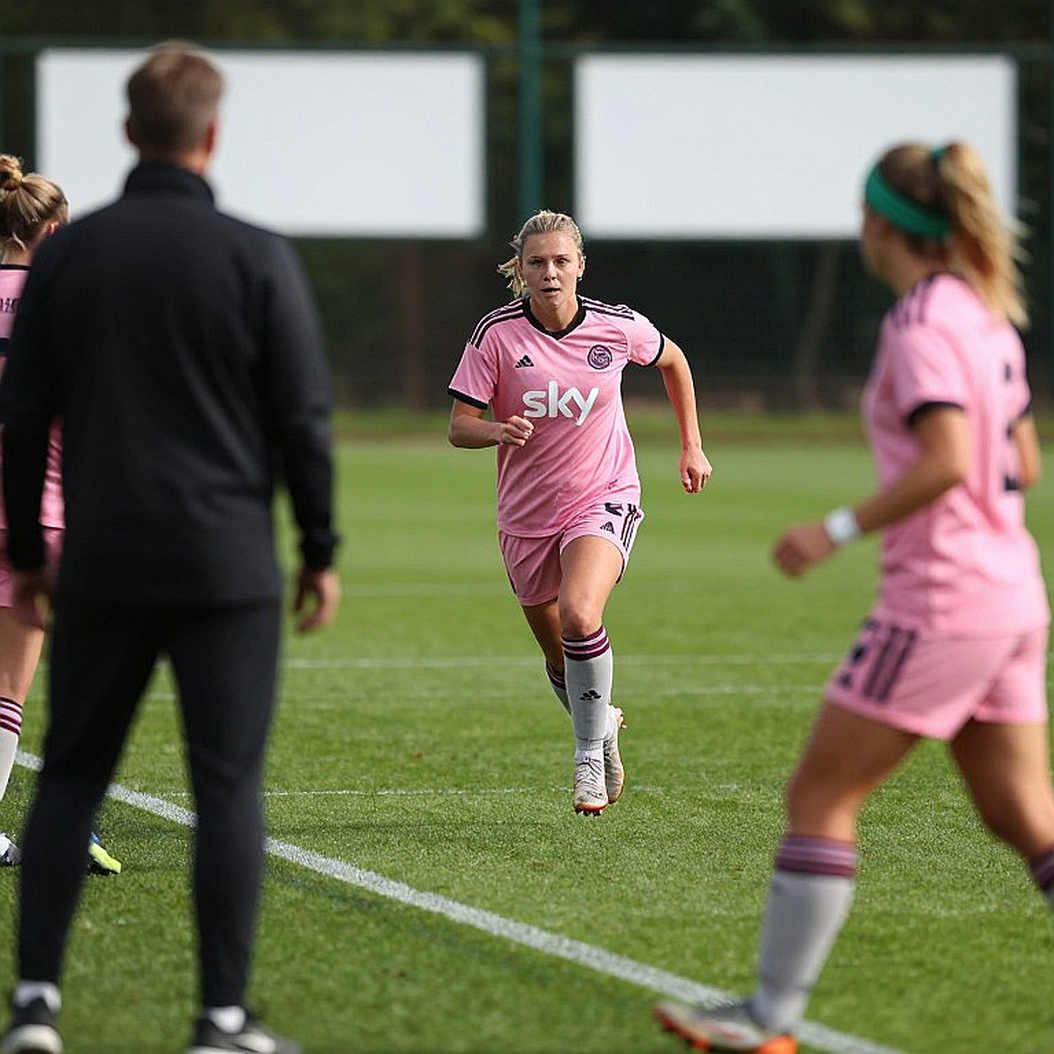
That is why I will not rush to conclude Thailand are stronger just because they have enough players. On paper, they edge it on depth. On the pitch, they have less time to prove it.
On Vietnam's side, there is a detail that draws little attention but deserves analysis. The Vietnam Football Federation is coordinating Hoang Duc's recovery with his club, Ninh Binh FC. This is a federation–club arrangement to protect an asset. The club holds the player's registration, meaning a re-injury is not only sporting bad news — it is a loss in value.
The federation stepping in to coordinate suggests national-team priority may be overriding club caution, and this is the classic tension point in national football. I have seen too many cases of players pushed back onto the pitch sooner than necessary under the pressure of a major tournament, only to pay with an injury twice as long. Medical confidentiality keeps fans and media blind to the real condition, while clubs disclose only what benefits them.
In this case, both sides have reason to rush. Vietnam need Hoang Duc to defend the crown. Ninh Binh need him so they do not lose asset value. Between those two pressures, the player bears the final risk. A club's brand is not its budget, but the way it treats the one who comes after. Here the story is reversed: the way a federation treats its spine player will decide whether he dares to take the risk.
The mainstream story regional media are telling is neat: Thailand bring their stars back, Vietnam lose players, so the balance tilts to Thailand. I believe that reading misses two important blind spots.
The first blind spot is pressure. Anthony Hudson, Thailand's head coach, has lost two consecutive finals to Vietnam. A third defeat to the same opponent would not just be a loss of points; it would become a story about limits, about the ability of a foreign coach to break through Thai football's biggest psychological barrier. When pressure is placed on a coach running a new squad, his decisions usually become more cautious, not bolder. And caution is the enemy of the possession game he is building.
The second blind spot is the format. Only the group winner reaches the final, with the runner-up going to a third-place playoff. This is an unusual format and needs verification, but if true, it turns the group into a genuine knockout between Vietnam and Thailand before the tournament truly begins. No safety net, no chance to correct mistakes in a later round, no knockout stage in which to recover.
When only one place advances, injuries stop being an inconvenience — they become a matter of survival. In a normal format, a team can rotate in the group stage and recover in the knockouts. Here, every match is a final. That makes the absences of Duy Manh, Doan Ngoc Tan, Van Vi and Hoang Duc more serious than any statistical table can express.
Another blind spot: the narrative that Chanathip has never lost to Vietnam is being built up as a psychological weapon before the match. But a team's collective memory does not work that way. The Thai players who featured in those two lost finals carry a different memory — of being beaten by this very opponent, on their own soil. Both memories coexist in one dressing room, and they do not reconcile easily. I have seen teams overconfident because of a pretty statistic, then collapse the moment that statistic is broken in the tenth minute.
One more layer few notice. Thailand are pursuing a strategy of recruiting players of Thai heritage. Mickelson was born in Norway. Jude Soonsup-Bell came through the Chelsea and Tottenham academies and now plays for Port FC. Eric Kahl is even still hoping for a Sweden call-up — meaning his availability for Thailand depends on an unfavourable outcome Thailand cannot control.
This is an arms race in resources, and it shows Thailand are trying to close the gap through the long road, not just one tournament. But a long race cannot be won in a month. Players called up for the first time have not had enough time to understand each other, let alone the tactical system. Some contracts are signed in ink, but woven from promises that never become written words. Call-ups are the same: signed on paper, but only realised on the pitch through time.
If Hoang Duc takes the field on September 29, the match will revolve around the battle in central midfield: a free-roaming Chanathip hunting space against a cautious, tempo-keeping Hoang Duc. If he does not, the question shifts to Vietnam's defence — and then every calculation about ball control becomes meaningless, because both teams will have to play in the way they least want to.
But what I really want to follow is not the result of one match. It is how these two football nations redefine themselves: one through the stability of a domestic core, the other by widening its resource borders to the world. The transfer market is not just numbers, but fates joined by invisible threads. Southeast Asian football is entering an era where those threads stretch from Bangkok to Sapporo, from Oslo to Marseille, and from Ninh Binh to a medical room in Hanoi.
And when the opening whistle sounds, the only question left is: who kept a cool head in the silence?