
When the Bridge Between Tier 2 and Tier 1 Is Broken: LEC Versus and the Grief of Unwitnessed Moments
core_answer: LEC Versus – sự kiện hiếm hoi kết nối đội Tier 2 và Tier 1 tại EMEA – sẽ không quay lại vào năm 2027. Quyết định từ Riot Games, đã được thảo luận kỹ lưỡng với các đội tuyển chuyên nghiệp, cho thấy Tier 2 đang bị đẩy ra xa khỏi trung tâm hệ sinh thái esports châu Âu.
key_facts: LEC Versus không quay lại mùa giải 2027 – thông báo chính thức từ Commissioner LEC Bykov; Đây là sự kiện Tier 2 vs Tier 1 hiếm hoi tại EMEA, phá vỡ pipeline nhân tài giữa hai tầng; Riot tập trung nguồn lực vào LEC và đội tuyển hiện có thay vì mở rộng hệ sinh thái; Co-streaming mở rộng nhưng quản lý 50-60 kênh thay vì 5 kênh là thách thức điều hành lớn; Cải thiện lịch thi đấu, giảm áp lực di chuyển cho các đội là ưu tiên tiếp theo
source: Commissioner Bykov – LEC Official Statement | Cross-checked: VuaBong.vn
related_qa: q: Tier 2 EMEA sẽ tìm cơ hội phát triển ở đâu sau khi LEC Versus bị khai tử?, a: EMEA Masters vẫn là giải đấu Tier 2 hàng đầu, tuy nhiên cơ hội đối đầu trực tiếp với Tier 1 sẽ giảm đáng kể.; q: Co-streaming có đang thay đổi cách người hâm mộ tiếp cận LEC?, a: Co-streaming mở rộng ngôn ngữ và đối tượng khán giả, nhưng quản lý đa kênh đặt ra thách thức kiểm soát và thương hiệu lớn.
The moment arrived on a stadium floor that had been empty for two years due to the pandemic, when the applause of a generation that never met suddenly fell silent. It wasn't because of Covid-19. It was because of an official announcement from Riot Games: LEC Versus will not return in 2027.
An empty stadium still echoes with the applause of a generation that never met. But this time, that applause is gradually disappearing completely.
According to the LEC Commissioner – who stated this decision was discussed in detail with professional teams – LEC Versus will not appear in the 2027 season. This was a rare event allowing Tier 2 teams in the EMEA region to face off directly with Europe's top teams. A rare bridge connecting the lower and upper tiers of the ecosystem has been closed.
This decision did not come from a balance patch or a meta shift. This is a strategic choice from the publisher, reflecting what I have observed throughout 21 years in the esports industry: when resources are limited, the lowest tier is always the first victim.
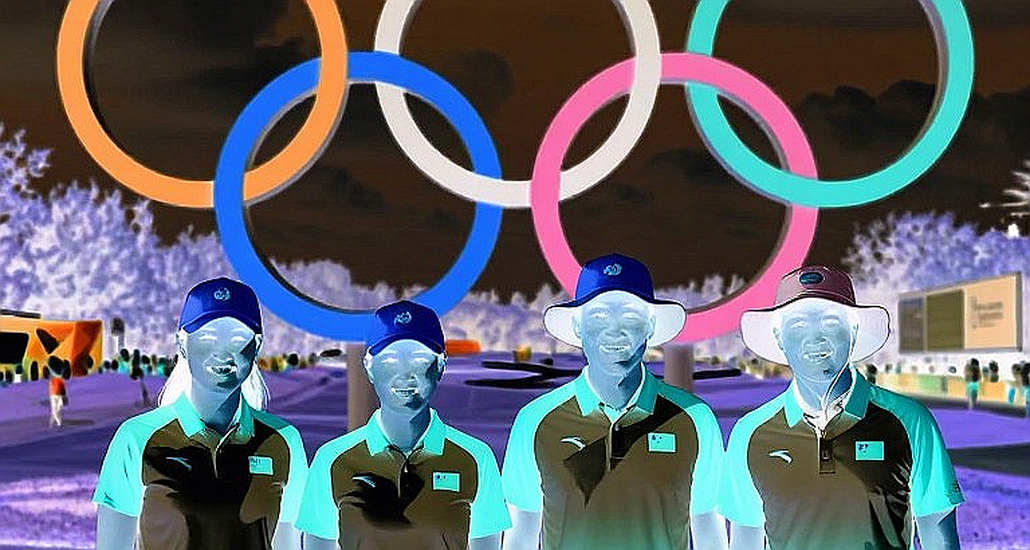
After a match ended with a 3-2 score favoring a Tier 1 team, the Tier 2 mid laner did not return to the locker room immediately. They stood in the center of the field, looking up at the empty electronic scoreboard – which usually displays spectator counts. That number, for the past two years, had always been zero. But the memories of moments playing alongside Faker, competing on the same field as legends, remained. And now, even that opportunity is vanishing.
Context: The decision to part ways with LEC Versus
LEC Versus was not a major tournament in the traditional sense. It lacked the grand stage of MSI or Worlds, lacked mainstream media coverage. But it existed with a different mission: creating a bridge between Tier 2 and Tier 1 of the EMEA ecosystem.
According to Commissioner Bykov, this decision was thoroughly discussed with professional teams. This is an important detail I want to emphasize. It wasn't Riot unilaterally making a decision – but rather the result of a dialogue process with the teams operating within the ecosystem. This shows pressure from Tier 1 teams, who may have opposed dense scheduling or high travel costs, contributed to this decision.
Riot stated they would refocus on LEC and existing teams. On one hand, this means resources will be concentrated on the core product – the Tier 1 league with established teams and stable audiences. On the other hand, this signals Tier 2 being pushed further away from the ecosystem's center.
Over 21 years observing the esports industry, I have witnessed many Tier 2 tournaments emerge and disappear. But the concerning issue here isn't the loss of a format – it's the breaking of a carefully constructed talent pipeline.
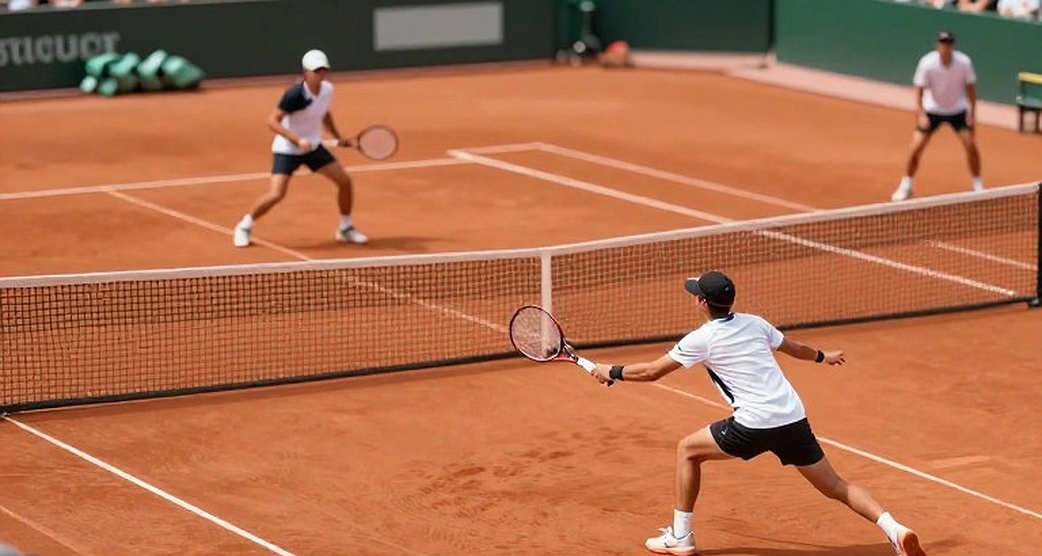
Strategic Analysis: What is Tier 2 losing?
Allow me to be direct: without LEC Versus, EMEA Tier 2 teams will lose their only opportunity to measure themselves against top teams in an official competitive environment. This isn't just about titles or prize money – it's about player development.
When a Tier 2 player competes alongside or directly faces a Faker or Caps in an official tournament, they receive a lesson no training ground can teach: real pressure on the big stage, how opponents move and react at the highest intensity, and most importantly – the feeling of competing at the highest level.
I have interviewed many young players from Tier 2 tournaments in Korea and Vietnam. The question they always ask me is: "How do I know if I'm good enough for Tier 1?" My constant answer: "You need to compete against them, not talk about them." LEC Versus was precisely that opportunity – an opportunity now being narrowed.
From a business perspective, this decision also has its own logic. When resources are limited, focusing on the most profitable product is commercially reasonable. Tier 1 LEC brings in more sponsors, attracts more viewers, and generates more content for media. Tier 2, by nature, is always a long-term investment with uncertain returns.
But this is where I want to raise a counter-question: Will cutting Tier 2 actually make Tier 1 stronger, or will it only create an increasingly narrow ecosystem?
Contrarian View: Don't romanticize excessively
There is a truth I need to clarify: not all Tier 2 teams lacked opportunities. LEC Versus was not the only path to Tier 1. EMEA Masters still exists as a premier Tier 2 tournament, and many teams still find development paths through smaller leagues.
Moreover, focusing on LEC may benefit Tier 1 teams themselves: less scheduling pressure, concentrated resources, and improved product quality. From years of following LCK, I notice that leagues concentrated on a single tier often have higher production quality – though traded for ecosystem diversity.
Commissioner Bykov also mentioned improving scheduling with road trips and splits. This is a positive signal – showing the organization is listening to team feedback on scheduling issues. As esports increasingly professionalizes, managing competition schedules and player health becomes a top priority.
Another point worth noting is co-streaming. The Commissioner stated co-streaming has brought viewership benefits, but managing 50-60 channels instead of 5 channels is a major operational challenge. This is a balance between growth and control – a problem many traditional sports leagues are also facing.
Regarding player conduct, the Commissioner emphasized a respectful and passionate environment. This is something I fully support. Esports is growing, and with that growth comes increased expectations for professional behavior. Passion should not turn into disrespect – and this is a boundary both organizations and players need to learn to maintain.
Conclusion: A question for the future
I left LoL Park on a rainy November night, after a match with no audience due to Covid-19. I carried with me a feeling of a changing world – where great moments could happen with no one witnessing. Today, as LEC Versus is being laid to rest, I feel the same sensation again: a change is underway, and this time, even the opportunity for those moments to occur is being narrowed.
The question is not "Should LEC Versus exist?" – but "Who are we building an esports ecosystem for?" If the answer is "for the top tier," then this decision is completely reasonable. But if the answer is "for the entire industry," then perhaps we need a clearer replacement plan for Tier 2.

The cup is not the destination; it is merely the period at the end of a long story beginning in darkness. And that story, for EMEA Tier 2, risks being cut short earlier than expected.